Chasing Light Across America: Six Landscape Trips I'd Take Again Tomorrow
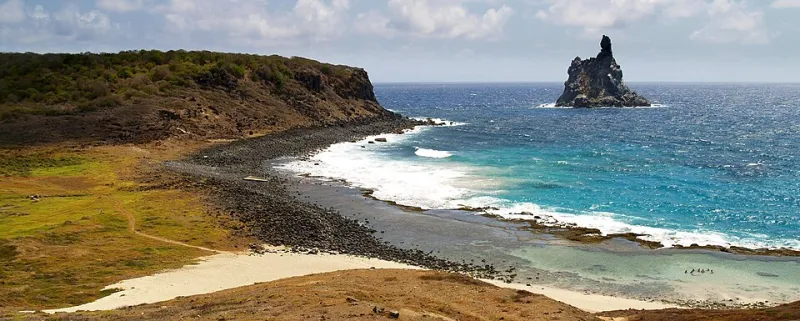
Photo: Hughes Leglise, Paris, France (Hugo*), CC BY 2.0, via Wikimedia Commons
I've been lucky enough to haul camera gear across a lot of this country. Some trips were planned assignments; others were happy accidents involving wrong turns and weather forecasts that lied. What follows are the destinations that keep calling me back — with the honest details about when to go and what you're getting into.
1. Antelope Canyon Country, Arizona
Best season: Late March through early October, midday for light beams
There's a reason Upper Antelope Canyon is the most photographed slot canyon on Earth. When the midday sun cuts through the narrow opening above, dust particles catch the beam and suddenly you're standing inside a living kaleidoscope. I shot there on a spring morning a few years back and got an image I still use on my portfolio homepage — a single shaft of light hitting the sandstone floor like a spotlight in an empty theater.
Know before you go: You can't wander in on your own for the upper canyon; Navajo Nation guides lead all visits, and it's worth every penny for the access and the local knowledge. Bring a lens cloth. The sand gets everywhere.
2. Grand Teton National Park, Wyoming
Best season: Late September for aspens and elk rut; June for wildflowers
The Tetons don't ease you in — they just erupt out of the valley floor, 7,000 feet of granite with no foothill warm-up act. I photographed sunrise at Schwabacher Landing on a 28-degree September morning, breath fogging while the peaks caught alpenglow and reflected dead-still in the Snake River. Moose ambling through the frame didn't hurt.
Know before you go: Mornings are brutally cold even in summer at elevation. Fingerless gloves changed my life. Also: give wildlife distance. A long lens beats a close call with a bison every time.
3. Blue Ridge Parkway, Virginia and North Carolina
Best season: Mid-October for peak foliage at higher elevations; late October lower down
The Blue Ridge in fall is America's greatest free light show. I spent three days driving a stretch between Asheville and Roanoke during peak color, shooting layered ridgelines from overlooks where the haze turns each successive mountain a paler shade of blue until the last one dissolves into the sky entirely. One frame from Rough Ridge — a gnarled old oak backlit by orange ridges rolling to the horizon — remains one of my best-selling prints.
Know before you go: The Parkway's fog is legendary, which frustrates tourists and delights photographers. Overcast days actually deepen fall color. Don't chase blue skies; chase the moody stuff.
4. Big Sur Coastline, California
Best season: September and October for clearest skies; spring for waterfalls
Highway 1 between Carmel and San Simeon might be the single greatest concentration of dramatic coastline in the lower 48. My favorite evening there, I set up at a pullout north of the Bixby Bridge as fog burned off the water, and a pair of California condors — yes, actual condors — drifted past the cliffs at eye level. I got maybe four usable frames. I'd have driven the eight hours for one.
Know before you go: Check road status; slide closures happen. Fog is the default marine layer most summer mornings, so plan sunset rather than sunrise if you want the sun in your frames.
5. Great Smoky Mountains, Tennessee and North Carolina
Best season: Late April for synchronous fireflies; June for misty green ridgelines
The Smokies earn their name. That soft blue haze hanging over the ridges at dawn isn't pollution — it's the forest exhaling, and it photographs like a dream. I shot sunrise from Clingmans Dome on a June morning when the cloud deck sat below the summit, turning the overlook into an island. The fireflies in Elkmont, where thousands blink in perfect synchrony, are a lottery-ticket experience worth entering for.
Know before you go: This is the most visited national park in the country. Arrive at viewpoints early or accept people in your frame — sometimes they make the shot anyway.
And the Hidden Spot in Your Own Backyard
Here's my confession: some of my favorite landscape images were taken twenty minutes from my house.
A few years back, after a frustrating rained-out trip, I stayed local out of spite. I found a farm road outside town where morning fog pooled between hay fields, and shot the same oak tree a dozen times across four seasons. That series now hangs in a client's office and sells at every local art fair. No flight required.
The lesson every traveling photographer eventually learns: light is the real subject, and light happens everywhere. That retention pond by the office park at golden hour. The state park an hour away you've driven past a thousand times. Your neighborhood in the first ten minutes after a storm breaks, when everything drips and glows.
Book the flight to the Tetons. Seriously — do it. But don't wait for a plane ticket to start shooting. Grab your camera, pick a morning, and go find out what your own zip code looks like at 6:45 a.m.
You might be surprised what's been waiting there all along.