The Moment Between Moments: What Your Wedding Album Is Really Made Of
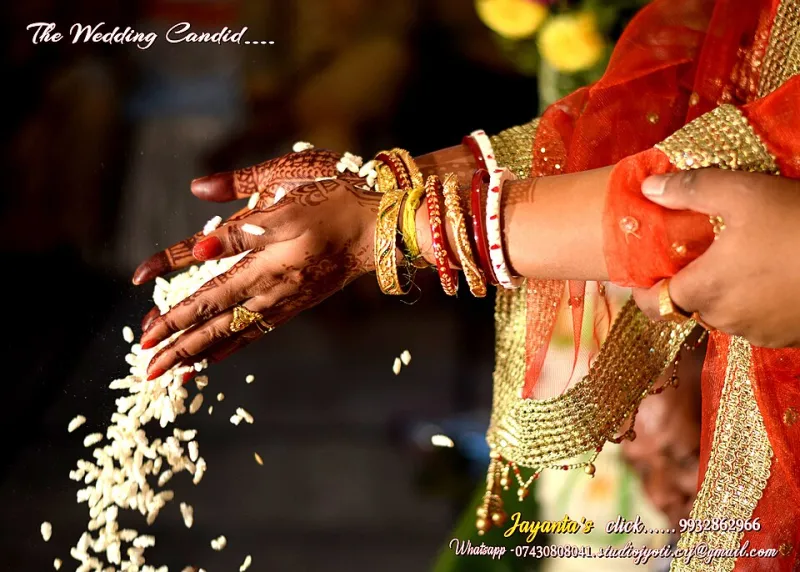
Photo: Jayanta Roy Chowdhury, CC BY-SA 3.0, via Wikimedia Commons
There's a photo I took at a wedding in Asheville, North Carolina, two Octobers ago that I think about more than almost any other image in my portfolio.
It's not the couple at the altar. It's not the ring exchange or the first kiss. It's the groom's grandmother, standing in the back of the reception tent, holding her drink with both hands, watching the first dance with her eyes closed.
Nobody posed for that photo. Nobody even knew I took it. And when the couple got their gallery back, that's the one they printed at 30 inches wide.
The Posed Problem
Look, I'm not anti-portrait. Formal family groupings matter — Grandma deserves her frame with the newlyweds, and Aunt Carol will absolutely notice if she's missing from the album. I schedule those shots. I light them carefully. They're part of the job.
But here's what I've noticed shooting weddings from California wine country to the Jersey Shore: the posed portraits are the photos people show people. The candid ones are the photos people feel.
When I deliver galleries, I ask couples which images surprised them. Nine times out of ten, it's not the perfectly composed bride-and-groom shot at golden hour. It's the dad wiping his eyes during the vows when he thought nobody was watching. It's the college roommates mid-laugh at the bar, heads thrown back. It's the flower girl sitting cross-legged on the dance floor, utterly transfixed by the sparkler send-off.
Side by Side: What the Camera Catches
I did an experiment last summer at a wedding outside Savannah, Georgia. During our couple's portrait session, I shot two sets back to back. First, the traditional approach: stand here, hand here, look at each other, smile.
The images were fine. Genuinely lovely, honestly — good light, gorgeous Spanish moss in the background, two people very much in love doing exactly what they were told.
Then I said, "Okay, forget I'm here. Walk to that oak tree and back, and just talk about your honeymoon plans."
Same location. Same light. Completely different photographs.
In the posed set, their shoulders were square and their smiles were present but careful. In the walking set, she was mid-gesture telling a story, he was looking at her — not the camera — with this expression that no amount of directing could have manufactured. When the couple saw the side-by-side comparison, they picked the candid version for their save-the-date. Every single time I run this exercise, the result is the same.
That's not a knock on my directing skills. It's just the truth about human faces: genuine emotion photographs differently than performed emotion. You can see it in the eyes, in the micro-expressions that flash for half a second. The camera doesn't miss those.
How to Relax in Front of the Camera (Actually)
Couples always tell me, "We're so awkward in photos." Here's my response, and my practical advice:
Build in buffer time. The most relaxed portraits I take happen when nobody's watching the clock. If your timeline has us sprinting from ceremony to formals to sunset shots, you'll be stiff because you're stressed. Pad the schedule.
Do an engagement session. I push every couple on this. An hour or two in front of my lens before the wedding day takes the mystery out of it. You learn that I'll give you things to do, not just things to pose like. By the wedding, the camera feels familiar.
Give yourself something to do. Holding hands and walking, pouring champagne, reading vows to each other quietly — movement and activity dissolve stiffness faster than any "act natural" instruction ever will. If a photographer tells you to just stand and smile, that's on them, not you.
Stop performing for the crowd. Some of my favorite reception photos happen when couples forget the room. Dance badly. Laugh too loud. The people who love you are photographing you with their eyes anyway.
Trust the process. You hired a photographer whose work you love. Let them worry about the angles. Your only job is to be present.
The Photos You'll Actually Keep
Here's a truth that took me years to articulate: in twenty years, you won't remember that your boutonniere was slightly crooked or that the wind messed up your veil at the overlook. You'll remember how the day felt.
The best wedding photography is emotional documentation, not perfection documentation. The stiff, everyone-smile portrait has its place in the album's architecture. But the heartbeat of that album — the pages you'll turn to on your tenth anniversary, the ones your kids will pull out of a box someday — will be the in-between moments. The unguarded ones.
So when your wedding day comes, pose for the formals. Smile for Grandma. And then, when the photographer says the session's over, go live your day. That's usually when the real pictures start.
If you're planning a wedding and this resonates with you, that's exactly the kind of day I love to shoot. Head over to my booking page and let's talk about your in-between moments.