Stop Waiting for Perfect Light: What I Actually Shoot In (and Why It Works)
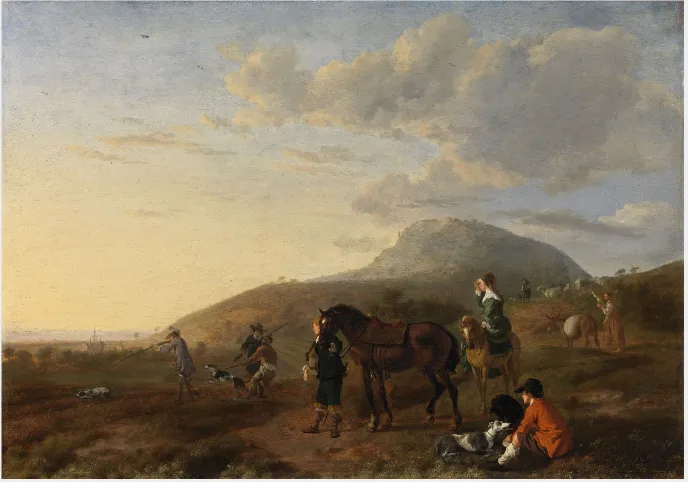
Photo: Ludolf de Jongh, Public domain, via Wikimedia Commons
Somewhere along the way, the internet decided that golden hour is the only light worth shooting in. Scroll through any photography forum and you'll find people refusing to leave the house between 10 a.m. and 6 p.m. like the midday sun is radioactive.
Look, I love a good sunset as much as anyone. I've driven two hours to catch one. But I've also built a career on shots taken at 12:15 p.m. in July, and I'm here to tell you: light is a tool, not a gatekeeper. If you're planning a shoot, a trip, or a wedding around a narrow window of "perfect" light, you're making your life harder than it needs to be.
What Harsh Noon Sun Is Actually Good For
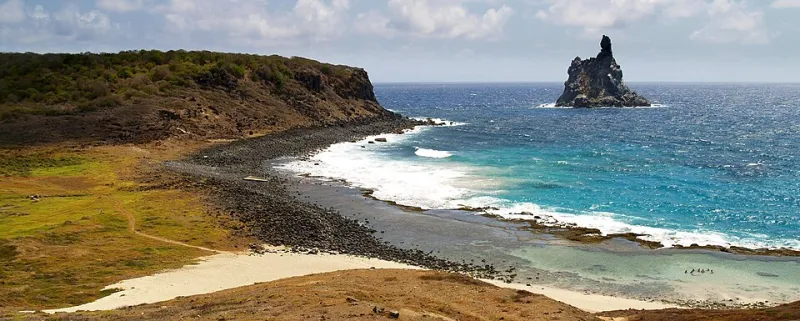
Straight overhead light gets a bad rap, but it does things no other light can do. In the desert Southwest, midday sun carves canyons like nothing else — the contrast in places like Antelope Canyon or Utah's slot canyons is the whole point. On the coast, noon light turns water into glass-sharp turquoise that a hazy sunset just can't match.
The trick is working with the angle instead of against it. At noon, shadows go straight down, so I shoot subjects from above, get low to kill harsh background contrast, or use the environment itself — a rock overhang, a building's shadow, a tree line — as a natural scrim. When I'm shooting people at midday, I put the sun behind them and let it act like a giant hair light, then expose for their face. Blown-out backgrounds, glowing subjects. Doesn't look like a mistake; looks intentional.
Gray Skies Are a Free Softbox
Here's my most controversial opinion: an overcast day is one of the best lighting setups you'll ever get, and it's free.
Flat clouds turn the whole sky into a softbox. No squinting, no raccoon-eye shadows, no blown highlights on a white dress. Waterfalls, forests, and mossy terrain — anywhere with texture and moisture — absolutely come alive under gray skies. Some of my favorite Pacific Northwest and Smoky Mountains work was shot in conditions that would send fair-weather photographers back to the car.
And rain? Rain after a shower makes everything glow. Wet pavement doubles reflections in a city. Mist in a valley at dawn is a gift you can't schedule. Bring a towel for your gear and stop canceling.
A Season-by-Season Light Cheat Sheet
Since most of my readers are planning shoots or trips somewhere in the US, here's the quick version of how light behaves through the year:
- Spring (nationwide, best in the Southeast and mid-Atlantic): Unpredictable but generous. Morning mist, dramatic storm light, and long twilights by April. Great for greenery and waterfalls at peak flow.
- Summer (hardest in the South and Southwest): Harsh midday, but early mornings are cool, clear, and empty. In the mountain West, afternoon monsoon clouds do half your work for you.
- Fall (peak in New England, the Rockies, and the upper Midwest): Lower sun angles all day mean softer, warmer light even at noon. Honestly, October light at 2 p.m. beats July light at 7 p.m.
- Winter (underrated everywhere, spectacular in the North): The sun stays low all day, so you get golden-hour qualities for hours. Snow bounces light back up and fills shadows naturally. Short days, but every one of them is usable.
If You're Planning a Wedding Date Around Light
Couples ask me constantly: "Should we schedule around sunset?" My answer: don't build the day around it, but know your numbers. In June in the Midwest, sunset might be 8:45 p.m. — a 5 p.m. ceremony means your portraits happen in full sun. In October in the same spot, sunset is around 6:30, and that same 5 p.m. ceremony hands you magic afterward.
Two minutes with a sunset-time app will tell you more than a hundred forum posts. Schedule your couple portraits for the 60–90 minutes before sunset when you can, and let your photographer handle the rest of the day however it comes.
The Bottom Line
Great photos come from people who show up, pay attention, and know how to read whatever light the day is offering. Golden hour is lovely. It's also 45 minutes long, and life doesn't fit inside it.
So if your session got scheduled at noon, or the forecast says clouds all weekend, don't panic — and definitely don't cancel. Some of the best light you'll ever get is the kind you didn't plan for.